York’s Factory Women: The Perils of Pregnancy
Published: 10th March 2023

Laura Strachan
laurastrachan255@gmail.com
@laurastrachan_
Laura Strachan is an aspiring archivist having recently received her degree in public history at the University of York in early 2023. A volunteering research assistant at the Rowntree Society based in York, she has accumulated an intimate knowledge of the Quaker Rowntree family and business which at the height of the 20th century, was one of the largest chocolate manufacturers in the world. One of her research projects has focused on the histories of Rowntree’s female employees at the Haxby Road Factory in the 20th century, exploring policies and attitudes towards social welfare. Her goal for the research project is to share these women's experiences, make comparisons to modern day social issues and encourage others to share their personal and family memories of a time not too long ago.
In 2022, five out of the nine judges of the US Supreme Court ruled that a woman’s right to choose to have an abortion would no longer be constitutionally protected. This decision dismantled almost 50 years of women’s legal protection sending shockwaves around the globe, putting the U.S alongside Poland, El Salvador, and Nicaragua as the only nations to counter global trends in respect of women’s reproductive rights being advocated since the 1970s.
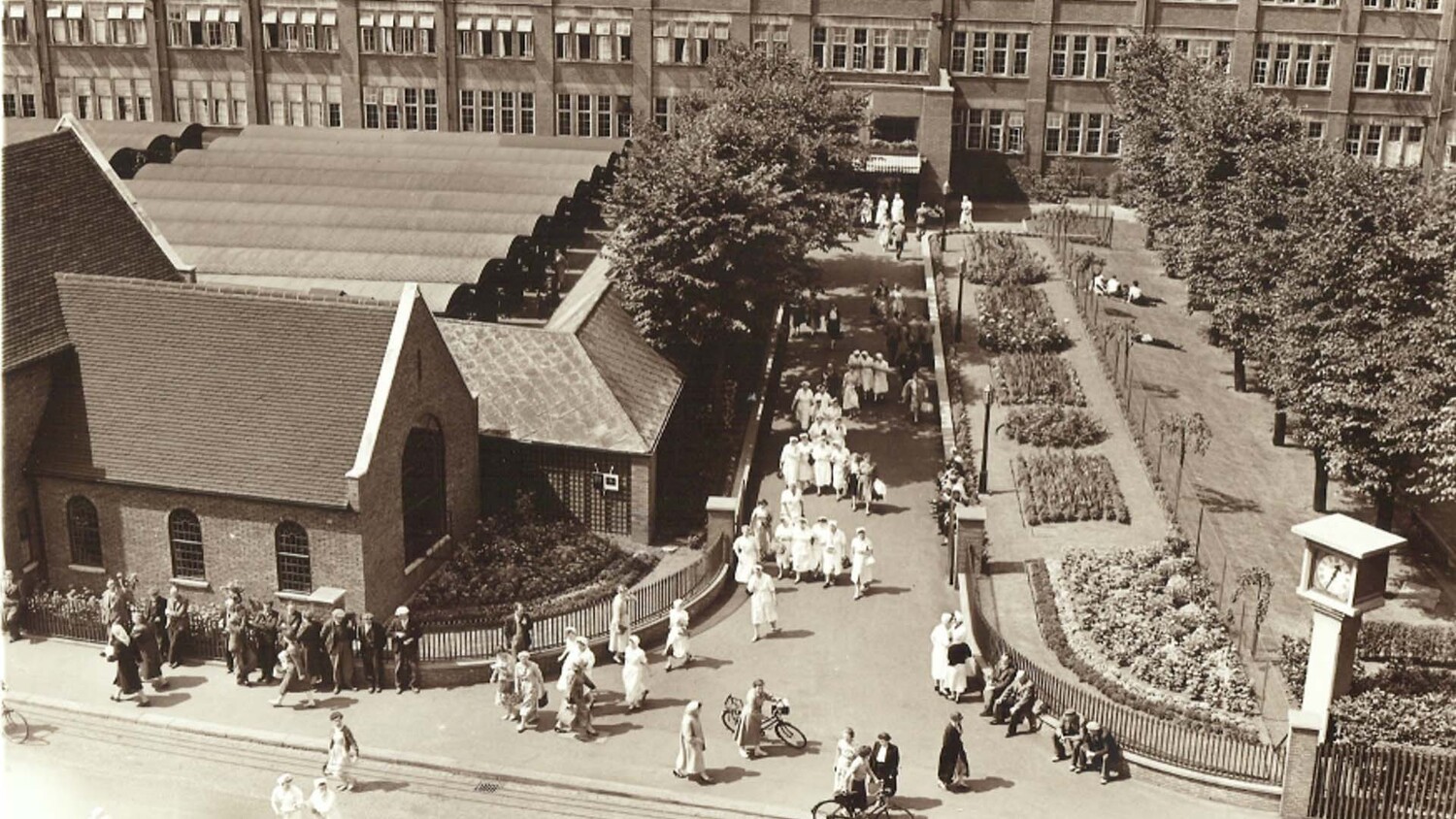
Last summer, as Roe versus Wade’s overturn hit the news cycle, together with the fear of the US regressing ‘back in time’, I was deep in research at the Borthwick Institute for Archives investigating female workers' experiences in the Rowntree factory in York. My curiosity arose as a large part of my research covered the post-war period. I came across multiple documents which revealed the Rowntree Company’s policy towards employee pregnancies, women’s reproductive rights and healthcare at the beginning of the second wave feminist movement. This occurred right before the UK’s 1967 Abortion Act came into legislation.
Rowntree and Company was a confectionery manufacturer in the heart of York. Rowntree’s began as a grocery shop in 1822 by Joseph Rowntree Senior. Shortly after his death, his son Henry Isaac purchased a cocoa business, and the Rowntree family were able to expand this into an international enterprise. By the peak of the 20th century, Rowntree and Co. had become one of the most popular confectioners in the UK. Quaker values were intrinsic to the Rowntree philosophy, championing social responsibility and humanism at the heart of their business practices. This reputation was grounded through the various sociological research and philanthropic work of the family, most famously through Seebohm Rowntree’s studies of poverty conducted in York. The Rowntree factory was considered a desirable place to work, known for its above-average wages, community spirit and social and educational benefits towards its employees. However, women workers were often left disadvantaged through unequal pay, shorter employment contracts, and less labour protection than their male counterparts.
Recently listed archives held at the Borthwick Institute for Archives document Rowntree and Co’s policies towards pregnancy and maternity in the post-war years leading up to feminist reform.
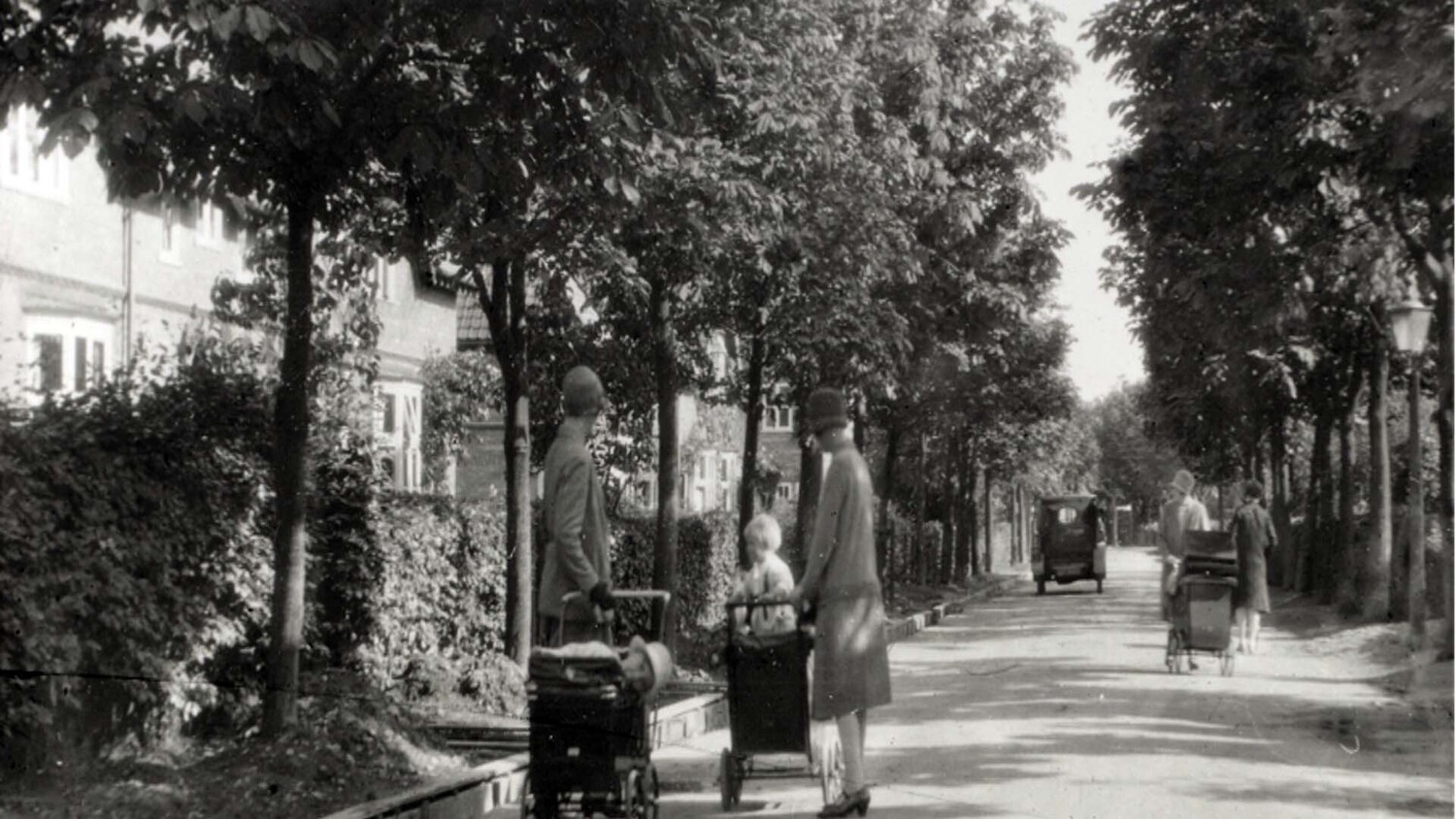
In the 1940s, Rowntree and Co. ended a women’s employment in the fifth month of her pregnancy, and granted 12 weeks maternity allowance, in line with the terms of the 1946 National Insurance Act. Pregnancy at Rowntree and Co. was effectively treated as job termination, with those who wanted to return required to apply as entirely new applicants. Many would return to part time hours known as the housewife shift, allowing them to complete housework and childcare duties during the day and leave for work in the early evening. As this was deemed temporary, seasonal work, these women were assigned to a separate conveyor belt, inadvertently perpetuating differences between married, unmarried, and childless women.
Furthermore, to prevent pregnancy being deemed as ‘sitting work’, all women were given alternative shifts to ensure that unpleasant jobs were done on rotation for short periods. Certain documents detail how Rowntree managers suggested that active participation in lifting, working with machinery and hot atmospheres could even prevent potential muscle cramping in pregnant women.
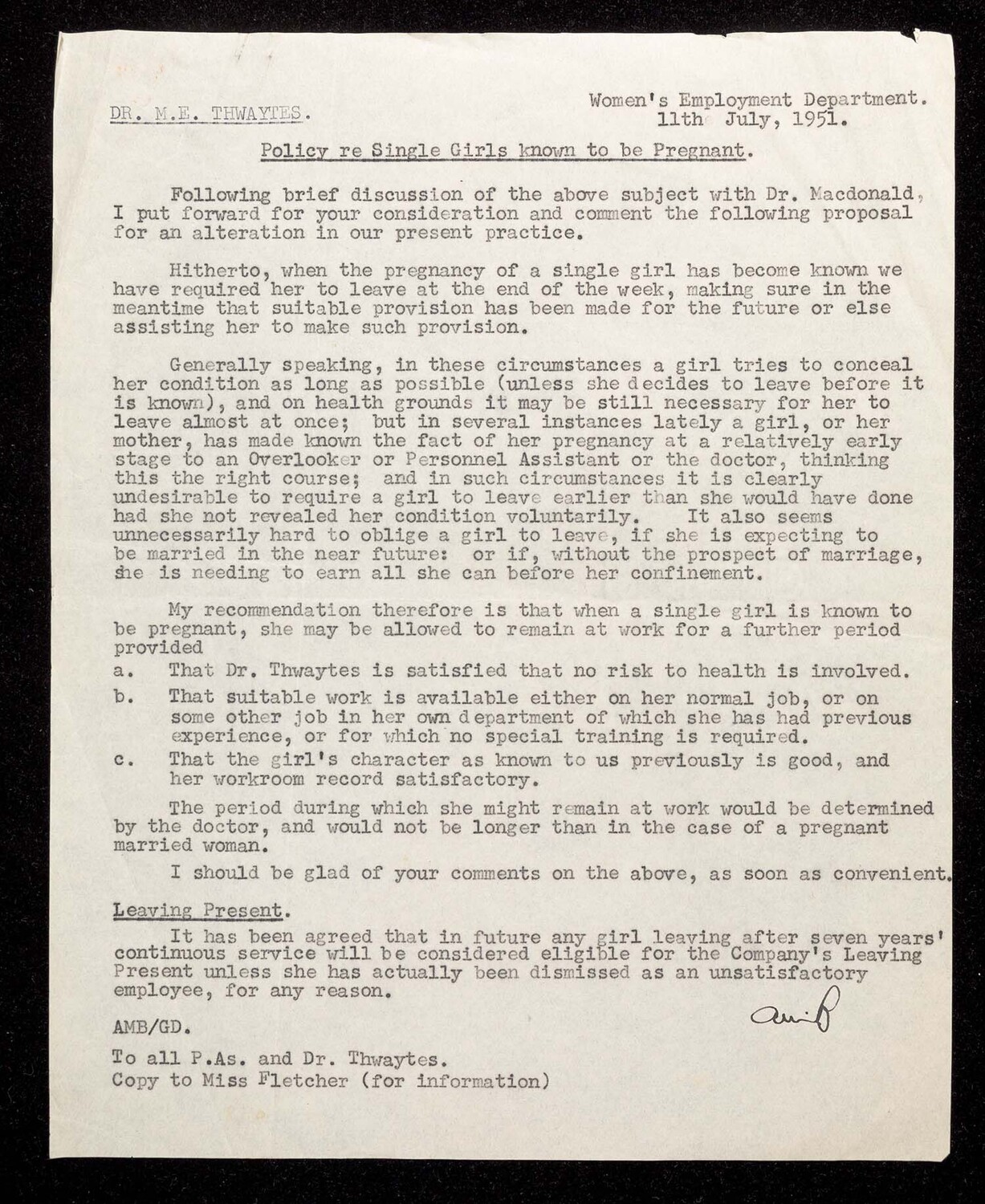
A correspondence document from 1951 titled ‘Policy re: Single Girls Known to be Pregnant’ from the Rowntree Women’s Employment Department revealed that previously when a pregnancy of a single girl had become known, she was required to leave at the end of the week. Given the stigmas of single parenthood, unmarried mothers were actively shamed, marginalised, and removed from working life. Mothers in this era could also be persuaded to give their babies up for adoption, slowly becoming known in popular culture as the baby scoop. As the document continues, the letter recommended if a single girl made known the fact of her pregnancy at a relatively early stage to an overlooker, personnel assistant, or doctor, she may be allowed to remain at work for a further period if she warrants good behaviour. The document is surprisingly empathetic given its context, arguing ‘It also seems unnecessarily hard to oblige a girl to leave if she is expecting to be married in the near future: or if, without the prospect of marriage she is needing to earn all she can before her confinement.” Here we begin to see the beginnings of changes in attitudes towards unmarried pregnant women and their growing acceptance in the workplace. But it is unknown whether these recommendations were followed through. The 1950s marked the start of the movement for contraception and abortion reform in the UK. The 1950s also marked the beginnings of vast female worker shortages at Rowntree. Whether this was a progression in Rowntree and Co.’s social attitudes or merely a way to meet post-war labour demands still remains open to debate.
It was not until the following decade that a more rapid shift in social attitudes was felt nationally. In the 1960s, the UK experienced significant improvements in employment laws as a result of the growing and campaigning feminist movement. This included the 1967 Abortion Act which gave women greater control over their reproductive health and meant they could plan their careers without the fear of unintended pregnancies. The 1966 raising of the retirement age for women and the 1970 Equal Pay Act were also beneficial to single mothers.
Though Rowntree Company documents relating to female employment policies in this era are sparse, I was able to locate a letter by an employed medical officer dated to 1964 revealing their support for unmarried mothers returning to work 6 weeks after giving birth. The letter suggested it was in all single mother’s best interests to go back to work as soon as medically able versus staying at home with the child, reinforcing their support towards single mothers. Conversely, their policies towards maternity allowance did not alter. A letter from Rowntree’s Solicitors Department dated to 1967 reconfirmed the company’s belief that a woman should be made redundant without pay on the opinion a woman herself “has created a situation which makes it impossible for her to carry out her contract of employment, at least during the confinement period.” It would not be until the Sex Discrimination Act and Employment Protection Act of 1975 that women were protected from having their employment terminated due to pregnancy and were granted maternity leave with reinstatement rights. Yet only those who had served long qualifying periods of employment were eligible. This would not be amended until 1993 where coverage was extended to all working women.
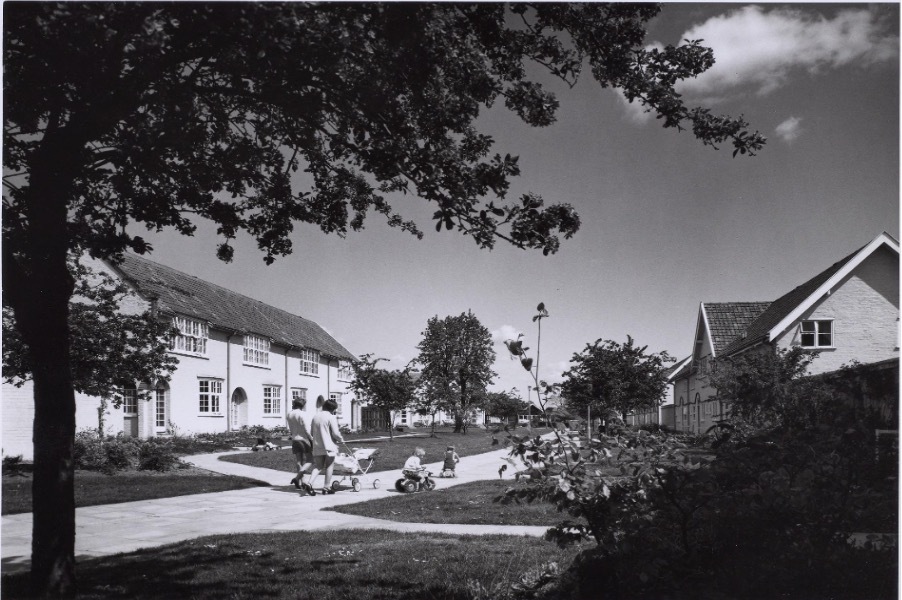
Overall, policies regarding pregnancy and reproductive rights have been gradual and plagued with grey areas. In fact, it was as late as the Equality Act 2010 in which specific protection against pregnancy and maternity discrimination came into effect alongside the introduction of paternity leave and pay. Since then, the Abortion Amendment made by the Health and Care Act 2022 has made provisions to allow early medical terminations to take place in a patient’s home in England. This feels far removed from the other side of the Atlantic Ocean where American women are paralleling many of the same circumstances Rowntree Factory Women faced less than a century ago. Though it is improbable that pregnancy will result in job termination these days, without access to safe and legal abortion many women’s educations and careers will be adversely affected and their physical and mental health put in greater jeopardy. Rowntree and Co. documents towards pregnancy and maternity policies should serve as a warning that maternity and neonatal care disparities in the modern world, are in fact, rooted in the past and in certain respects, attitudes and approaches have not changed.
For further information, see Laura’s ten-minute talk on York's Factory Women and the Scientific Management of a Workforce: https://www.youtube.com/watch?v=k3Sv6FoFudA&feature=youtu.be
Contact Laura directly at: laurastrachan255@gmail.com and info@rowntreesociety.org.uk
References:
All photographs and documents used were with the permission of The Borthwick Institute for Archives.
Abortion Amendment 2022: https://www.legislation.gov.uk/uksi/2022/811/note/made
Erin Blakemore, Roe v. Wade: The tumultuous history that led to the landmark Roe v. Wade ruling https://www.nationalgeographic.com/history/article/roe-v-wade-the-tumultuous-history-that-led-to-the-landmark-ruling
Equality Act 2010: https://www.legislation.gov.uk/ukpga/2010/15/contents
Robert Fitzgerald, Rowntree and the Marketing Revolution 1862-1969 (1995).
Patty Housman, Roe v Wade Overturned: What It Means, What’s Next https://www.american.edu/cas/news/roe-v-wade-overturned-what-it-means-whats-next.cfm
Emma Robertson, Chocolate, Women and Empire (2009).
Emma Robertson, Very Strict But Very Good https://www.bbc.co.uk/legacies/work/england/north_yorkshire/article_1.shtml
Avda Saldinger, Bracing for global impact as Roe v. Wade abortion decision overturned https://www.devex.com/news/bracing-for-global-impact-as-roe-v-wade-abortion-decision-overturned-103464
Striking Women, Maternity (and paternity) leave and pay https://www.striking-women.org/module/workplace-issues-past-and-present/maternity-and-paternity-leave-and-pay
The British Library: https://www.bl.uk/sisterhood/timeline
The Rowntree Society: www.rowntreesociety.org.uk
Quentin Fottrell ‘This is a dark day from American democracy’: Women’s groups react to Supreme Court overturning Roe v. Wade https://www.marketwatch.com/story/this-is-a-dark-day-for-american-democracy-womens-groups-react-to-supreme-court-overturning-roe-v-wade-11656090058
The views and opinions expressed in this blog are those of the author and do not necessarily reflect the official policy or position of the British Association for Local History (BALH). Any content provided by our contributors is of their own opinion and is not intended to malign any individual, group, organisation, or entity.