Barnsley Uncovered
Published: 17th February 2021
Stephen Miller
@stephen_history
Stephen Miller has worked in museums, libraries and archives for over a decade. He is a Transformation Manager at Barnsley Libraries and a freelance heritage consultant. He is in the final year of a Local History masters at the University of Dundee.
In 2017 I was approached by the Barnsley LGBT+ Forum to help with a project marking the 50th anniversary of the partial decriminalisation of homosexuality.
They were keen to find some local LGBT+ history stories to share with the wider community. This developed into the Heritage Lottery funded ‘Barnsley Uncovered' project.
As we mark LGBT+ History Month 2021 it seems a good time to reflect on what the project achieved, share some stories and look at how local historians can uncover their own LGBT+ history.
There has been a tendency for LGBT+ history to focus on middle-class, urban experiences and for working-class stories to be overlooked. The Barnsley LGBT+ Forum wanted to do something different and to be able to share stories from their local communities.
We began with a volunteer training programme looking at how to search local sources for LGBT+ stories. Context and terminology are key; a search of Victorian newspapers for ‘gay miners’ is only going to reveal some jolly galas and fetes. This can be challenging as the terminology used was based on scientific and religious language and is generally offensive today.
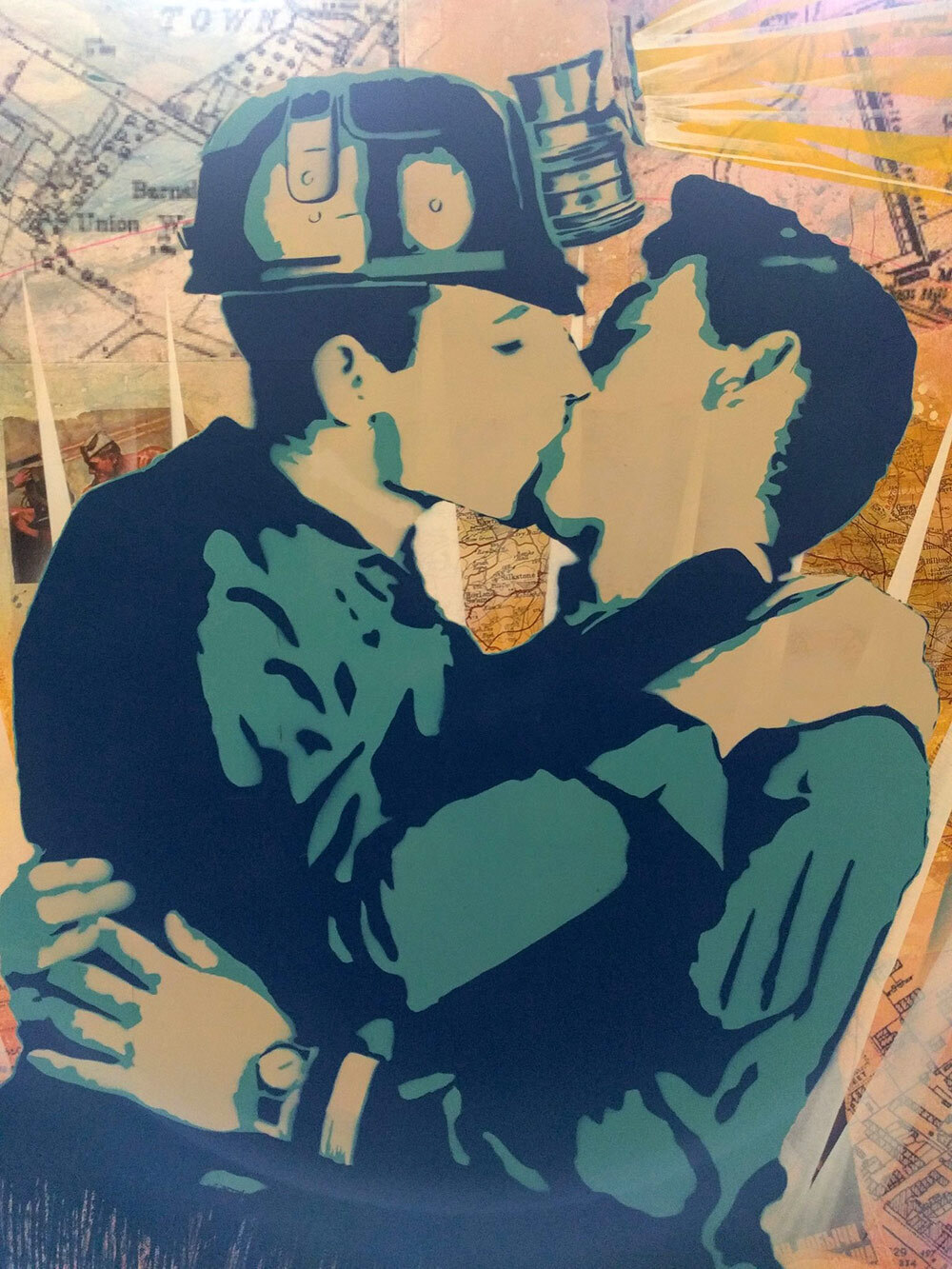
Many of the stories the volunteers found were centred around criminality. However, due to the newspapers reticence to give details of the cases, men being arrested for expressing same sex desire can easily be confused with bizarre, obscure and sinister crimes. The volunteers made use of the Criminal Registers (1791-1892) on Ancestry for the detail of the charges men faced. Utilising criminal records also presented barriers to their research. Acts associated with female homosexuality have never been illegal, despite an attempt to amend the law in 1921, so they are largely invisible. This problem is even starker amongst working class women were the survival of letters and diaries is poor.
The stories uncovered by the volunteers span nearly 200 years of people experiencing and acting upon same sex desire. Perhaps the most significant incident they researched was first written about by Dr Helen Smith in her excellent ‘Masculinity, Class and Same-Sex Desire in Industrial England’. It involved a young man called Peter Goodliffe who, whilst reporting an assault to the police, gave a full account of his sexual activities with dozens of men in Barnsley. The case resulted in 14 men appearing before Leeds Assizes charged with various offences. The statements they gave in court give a fascinating, and sometimes tragic, insight into their lives and feelings.

“It used to be a common thing in Burma during the war. I didn’t think it was very serious.”
“It was just a bit of acting the fool.”
“It sounds dirty when you’re speaking about it afterwards.”
“Since I left the army I’ve tried my hardest to conquer this habit, but on some occasions it has happened between myself and other men in Barnsley.”
“I have a good wife and two children. I don’t want any shame to be on them. When I’ve done these things I’ve wanted to kill myself- I was so disgusted.”
Most of the men were given short sentences and fines but Goodliffe was made an example of with a five-year sentence. Following his release, he seems to have returned to Barnsley and lived a quiet life, as far as the records show. He died in Barnsley in 2002.
During the research phase I spent many hours with the volunteers in Barnsley Archives and Local Studies and really enjoyed speaking to the other researchers and members of staff about the project. They were very generous in their time and happy to share stories, tips and good old-fashioned gossip! The conversations provided us with more leads than we had time to follow-up so there is certainly more work to do.
The research was used to create a film, an exhibition, a walking tour and a learning pack. The project website is still live for more details on the stories we uncovered.
Every city, town and village in Britain has similar stories waiting to be told. Local historians are in a great position to lead on this work and it would be fantastic to see the ‘uncovered’ model replicated in other areas of the country. As always, now is the time to start looking. The generation who remember the pre-legalisation period would now be in their 70s and older. Sadly, I can only imagine the story Peter Goodliffe would have told of his experiences.
Read more
Stephen's website is at https://stephenmillerheritageconsultant.wordpress.com
The views and opinions expressed in this blog are those of the author and do not necessarily reflect the official policy or position of the British Association for Local History (BALH). Any content provided by our contributors is of their own opinion and is not intended to malign any individual, group, organisation, or entity.