Dulwich Society Online Talks
Published: 6th May 2023

Sharon O'Connor
Sharon has lived in Dulwich and been a member of the Dulwich Society local history group since 2004. Now retired, she was assistant archivist at Dulwich College which holds a treasure trove of information on the area of Dulwich as well as the school and its alumni.
Sharon O’Connor from the Dulwich Society local history group discusses how they came to run online talks, how others might do the same and what the impact has been on them.
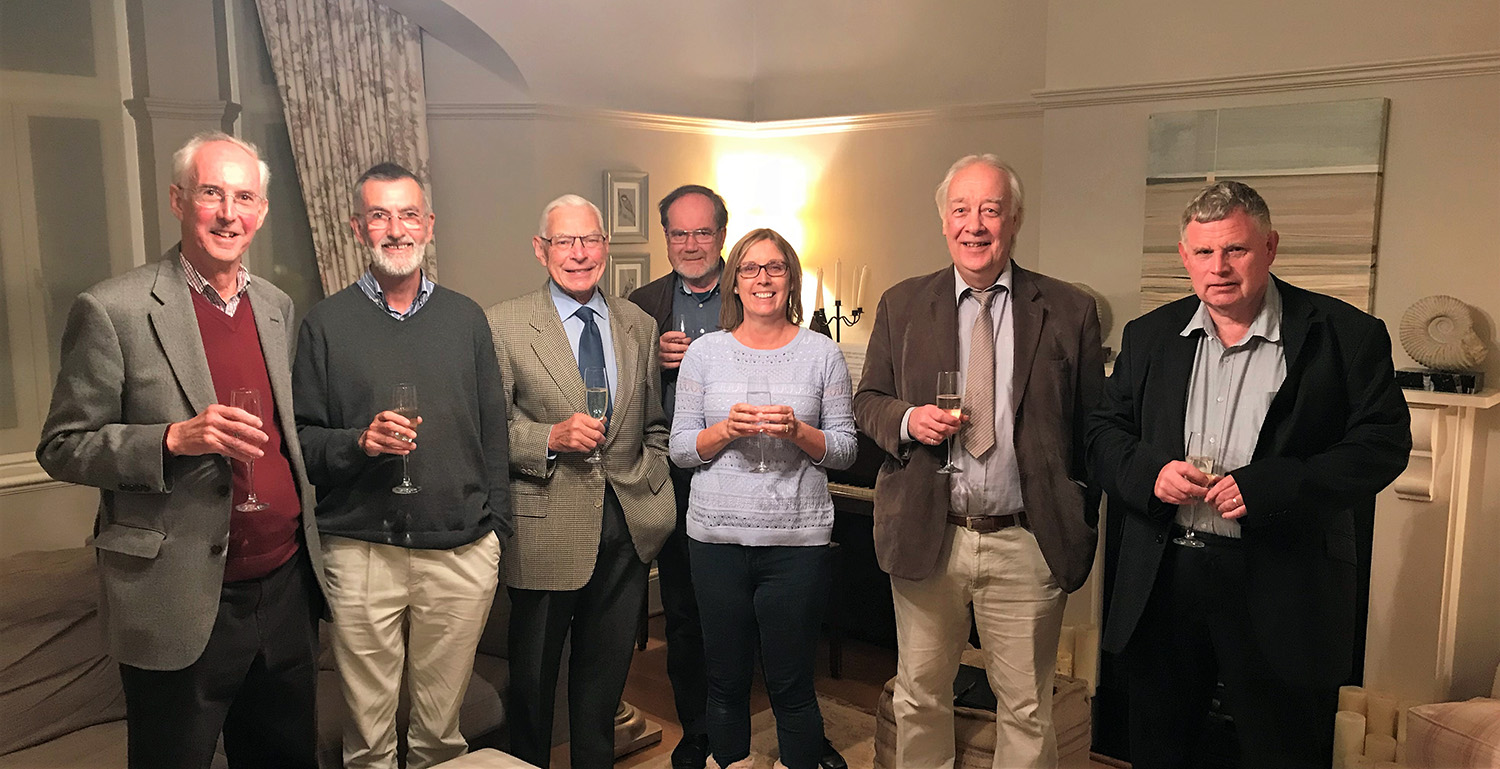
The Dulwich Society team
Our local history talks can be divided into BC (before Covid) and AD (after digital). Before lockdown we would put on one talk a year. We would need to pay for a room so had to charge commensurately to cover that cost, then people were needed to put out the chairs, organise drinks, tidy everything away etc. And there were other decisions: do we need insurance? Not that room, it’s not fully accessible. Will our old projector survive another outing? Then the pandemic arrived, and, like the rest of the world, we went online and realised that we could concentrate on the local history part which is of course the most fun, rather than the physical logistics of hosting a talk.
The talks are researched and presented by members of our local history group and run in conjunction with a local educational charity, Bell House. We sell tickets via Eventbrite and use Zoom to host the talk. Other platforms are available but Zoom is easy to use, especially for the attendee – a link to the Zoom talk can be sent to them automatically when they buy a ticket – and Eventbrite seems to be the most ubiquitous of the ticketing platforms.
To host a Zoom talk we found we needed two people at first but now we have experience we can host with one. We made a crib sheet of what to do at each point in a Zoom event to give people confidence when they were new to hosting. The host and speaker meet (online not in real life – everybody participates from their own home) about a half hour before the talk. They open the Zoom meeting and check that the speaker can share their presentation and can be seen and heard. One host introduces the speaker at the beginning and gives some Zoom housekeeping tips (using gallery/speaker view, putting questions in the Chatbox etc) then thanks the speaker and the audience at the end. The other host lets people into the meeting (when you’re a host you get a little doorbell sound when an attendee has arrived) and keeps an eye on the chat box for issues. Often the speaker is an experienced zoom presenter and sees the questions in the chat box themselves but otherwise one of the hosts reads them out during the Q&A. As far as timing goes, our feedback tells us the optimum presentation length is around 45 minutes with 10 minutes Q&A at the end. The hosts closes the Zoom at the end and Eventbrite sends out an automated feedback form which provides valuable information. You can draft this form yourself so we added a question asking what subjects people would like to hear about – we now have a list of potential talks as long as your arm! We record the Zoom and are lucky in that Bell House edits them for us and puts them up on YouTube. If this is a step too far for you then don’t worry about recording.
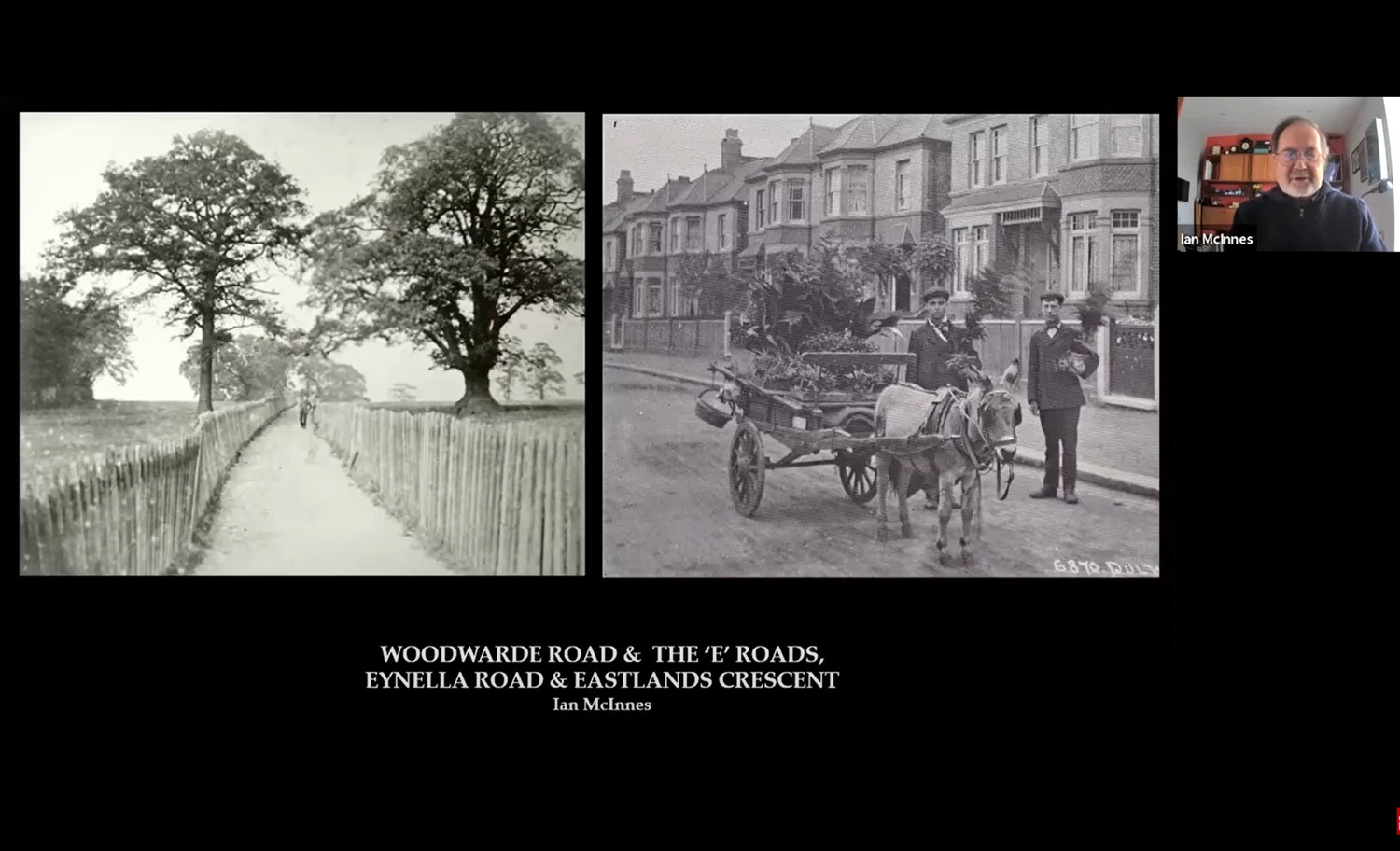
Zoom is free for up to 100 participants and while we had a peak of 169 attendees during lockdown, we are now down to around 50-60 attendees so we just use the free service that you are probably already familiar with. We have not found it necessary to buy Zoom Webinar as our events are not big enough. For Eventbrite: if your event is free then it’s free to use but they charge commission if you charge for tickets. We began by making our events free but we found that although we ‘sold’ lots of tickets, not everyone actually turned up. So we began charging £5 and we find that makes people value the event more so they attend. Because we all give our services for free, our ticket proceeds, less the Eventbrite charge, goes to charity, raising over £7,300 for local charities so far – an unexpected bonus.

We market our talks to our members via our monthly newsletter, a public noticeboard and more widely through our Twitter account. Our talks reach our members, other Dulwich residents and even people further afield - we have had online attendees from Europe and the US. Feedback on the talks is excellent and over 1,800 tickets have been sold, meaning that something like 3,500 people have attended, as many ticket holders watch with someone else. And this doesn’t include the people who watch the recordings on YouTube afterwards, who number 3,500 and counting. The talks contribute to the Dulwich Society’s charitable aim of increasing awareness of what makes Dulwich special.
We do still have in-person events but we have kept our online talks going because they are accessible to people who can’t get out, or cannot get to Dulwich or who simply don’t fancy heading out on a wet and windy Tuesday in November. We took our talks online because we had to, but we kept them online because it works.
https://www.dulwichsociety.com/local-history
The views and opinions expressed in this blog are those of the author and do not necessarily reflect the official policy or position of the British Association for Local History (BALH). Any content provided by our contributors is of their own opinion and is not intended to malign any individual, group, organisation, or entity.