Exploring Britain’s LGBTQ+ Histories at the UK’s first LGBTQ+ Museum
Published: 27th June 2022

Megan Kelleher
BALH Digital Strategy Coordinator
socialmedia@balh.org.uk
@MeganEKelleher
Megan is the BALH Digital Strategy Coordinator and a PhD student at the University of Kent. Her thesis, provisionally titled ‘The Commemoration and Care of First World War Dead Buried in the United Kingdom’, is focused on highlighting the presence of First World War graves in the United Kingdom and how these sites of memory conform to and contrast with the cemeteries and memorials found along the former battlefields.
In this blog, Social Media Fellow Megan Kelleher chatted with Matthew Storey, Volunteer Curator at Queer Britain as well as Art, Design and LGBTQ+ History Curator at Historic Royal Palaces.
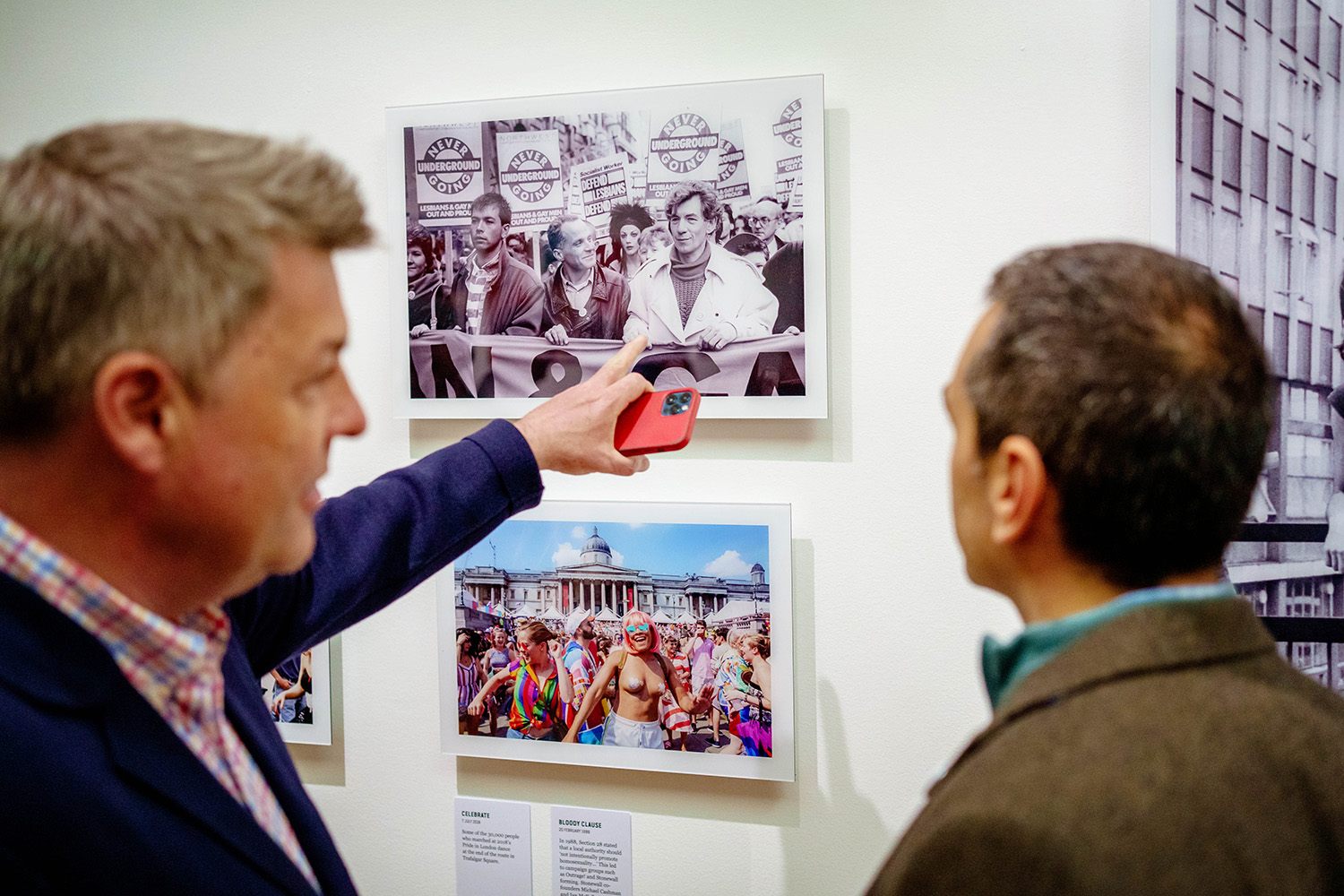
Spotting Ian McKellen and Michael Cashman at a Section 28 protest in Manchester in 1988
As many may know, in May 2022 the first ever LGBTQ+ museum in the United Kingdom opened. Queer Britain, located in London’s Granary Square near King’s Cross, is dedicated to sharing the lives and histories of queer individuals. The opening display, “Welcome to Queer Britain,” celebrates the charity’s work so far and highlights some of the hidden gems in their collection.
The display focuses on the photographic material held in the collection, which allowed the museum to focus on the people who make up the LGBTQ+ community, as well as its allies from the past and present. Through focusing on individual experiences and lives, the display is able to connect its visitors with individual and localised experiences that may have previously been overlooked.
According to its volunteer curator, Matthew Storey wanted “Welcome to Queer Britain” to be a moment to welcome people into the new space, and celebrate this landmark event of moving into a bricks and mortar home.
The display also utilises images from Getty Images as well as the museum’s specially commissioned photography series Chosen Families, many of which were originally displayed in pop-up exhibitions. This is a chance to view these fascinating items if you have not seen them before. There are also some wonderful new acquisitions from Allie Crewe and Robert Taylor.
For Storey, one of his favourite parts of the display is the first image which is a painted portrait of the legendary queer performer David Hoyle by Sadie Lee, where David is dramatically lit and staring straight out of the canvas. Described as an “unforgettable image,” the painting won the Queer Britain Madame F Award 2021. Other highlights include a photograph from c. 1870 of two Victorian music hall artists, and Alia Romagnoli’s photographs for Chosen Family which draw on her South Asian heritage.
Queer Britain holds a significant space in its history. The museum is an essential place for all, regardless of sexuality or gender identity, to find out about the culture that they have been born into, have chosen or seek to understand. Through the stories held at the site, local histories can be connected to the bigger picture and the nation’s family tree. Queer people have impacted on every part of our culture, yet their lives are often written into the margins of the history books and the valuable stories, ephemera and artefacts associated with these individuals are being lost. Through having a museum like Queer Britain, the museum and broader heritage sector is able to give a dedicated space to preserving these items, and providing the opportunity to explore and celebrate them.
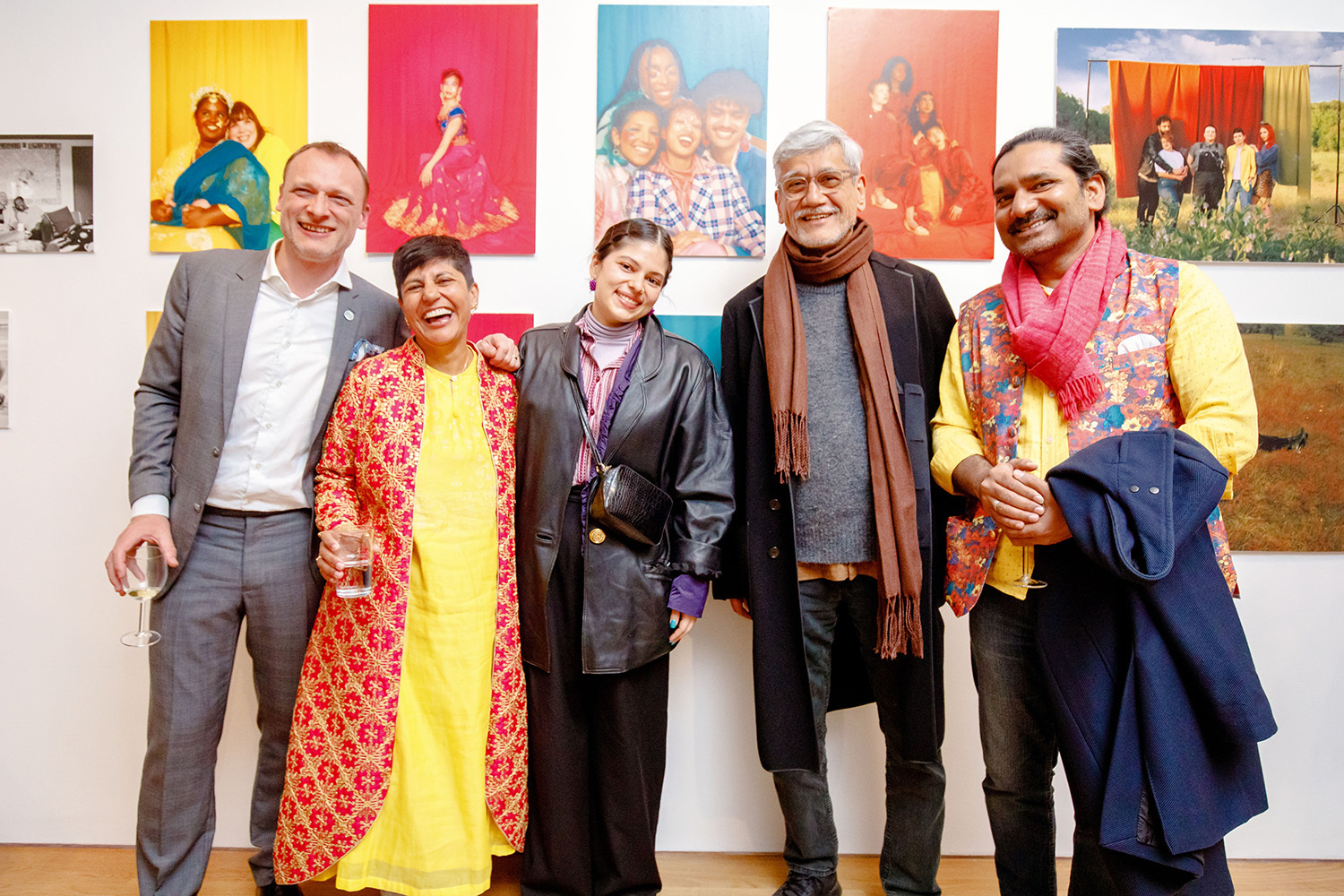
There are important objects relating to activism and campaigning, but there are also various items highlighting queer creativity. The museum is also dedicated to collecting the stories connected to the objects in their collection, in order to emphasise how important they are to somebody’s biography, and ensure that their place within the broader history is understood fully.
The ”Welcome to Queer Britain” display will be open until 4th July, and their first exhibition is currently in development and will open 20th July. Queer Britain is open to the public from Wednesday to Sunday between 12pm and 6pm, and there is an exciting programme of community outreach and events being lined up by their fantastic team. You can support this incredible museum by joining as a member, or by visiting their website.
[Images courtesy of Queer Britain and Rahil Ahmed].
The views and opinions expressed in this blog are those of the author and do not necessarily reflect the official policy or position of the British Association for Local History (BALH). Any content provided by our contributors is of their own opinion and is not intended to malign any individual, group, organisation, or entity.