
How further education students can breathe new life into local history where they live
Published: 28th August 2022
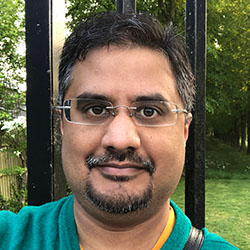
Antony Carpen
Antony Carpen is a local historian who also commentates on local democracy in and around Cambridge. He has a public policy background having been a civil servant working in a number of policy areas including housing, local government, climate change, and community development. His research on the history of Cambridge 'the town' at https://lostcambridge.com/ has been useful to councillors and campaigners alike at a time of significant and often controversial change and growth in and around the city.
Let’s face it, more than a few local history societies are kept running by hard working volunteers from older generations who are passionate about the lives and stories of the people who lived and worked in and around their communities. That has been my experience here in Cambridge – where our town history is inevitably overshadowed by the chapel towers of the ancient colleges.
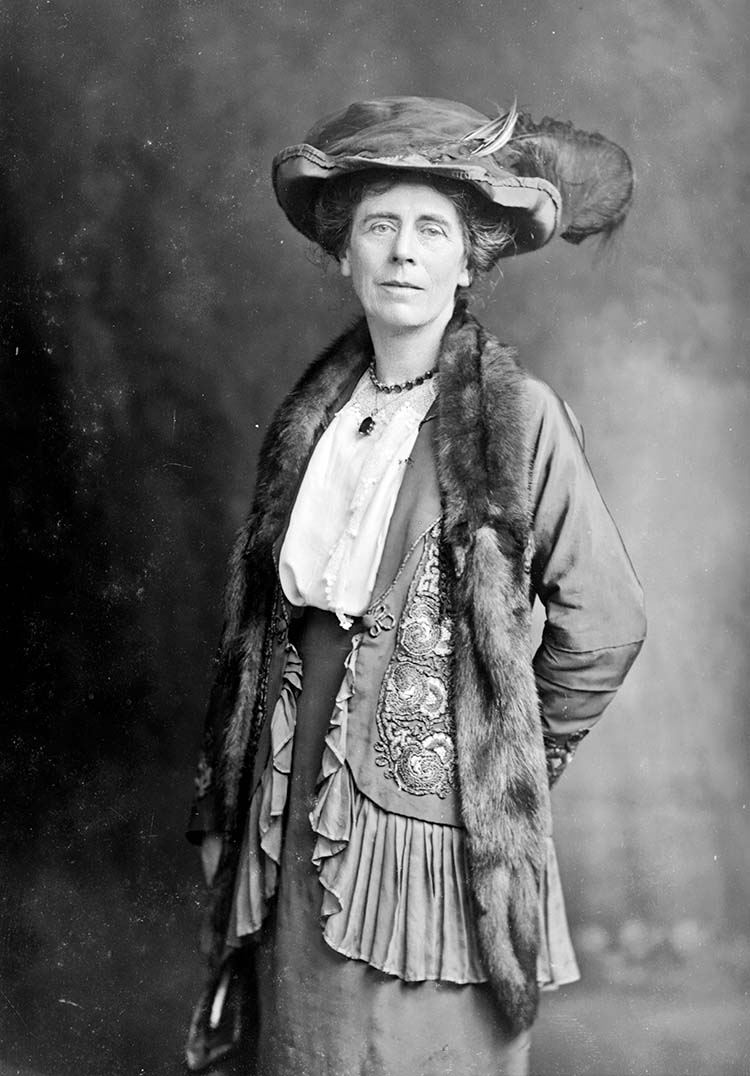
Councillor Florence Ada Kenyes, Cambridgeshire Collection
In recent years, we’ve seen a growing interest in the lost histories of our town – in particular on the back of the Votes for Women Centenary in 2018, which saw many of us (myself included) rediscover the work of an incredible network of women whose combined efforts modernised our small town and helped turn it into the city we know today. For those of you familiar with the centre of Cambridge, the imposing 1930s guildhall stands like a colossus over Market Square. But few know of the huge controversy that surrounded its design and construction, or that it was Florence Ada Keynes, the mother of the economist John Maynard Keynes who was the driving force in getting it built, following 80 years of dithering and disagreement by the male councillors with past designs and budgets. Florence got hers completed in five years – despite huge protests at what many residents saw as an ugly design by Charles Cowles-Voysey. It provided Ronald Searle of St Trinian’s fame with more than enough material to satirise the disagreements over the designs with his weekly cartoon pieces in the Cambridge Daily News between 1935-39.
The interwar years saw the rapid growth of Cambridge’s suburbs – including my childhood neighbourhood which was also where Olivia Newton-John spent her early years. Her father, Brinley Newton-John of Bletchley Park fame, was the head of the County High School for Boys before he took up a post at Ormond College in Melbourne, Australia in the mid-1950s.
Today, this same part of town is expanding further – as is Cambridge generally. The census figures showed the city’s population had grown from 123,000 to over 145,000. The surrounding district of South Cambridgeshire also experienced housing and population growth – with three ‘new towns’ already under construction at Cambourne, Waterbeach, and Northstowe.
With such rapid growth, the role of the local historian becomes essential. From new street names to influencing public art projects to ensure they are relevant to their local area, the Cambridgeshire Association for Local History [https://www.calh.org.uk/] often receives correspondence on this. But who is recording and documenting everything that is happening in the face of so much building work and the massive cuts to local and regional newspapers? Who is recording the opinions of local residents and new arrivals as our city and county grow?
This is where students starting further education courses every autumn have the chance not only to record history with their subject coursework and extended projects, but to become history makers as well. Furthermore, they are not restricted to the technologies that previous generations (such as my own – at college in the mid-late 1990s) were. In the Cambridgeshire Collection in Cambridge’s Central Library, I’ve browsed through many-a-thesis gathering dust on the shelves – mini goldmines of local history each of them. But few have used that material creatively to make works of art, update local histories of surrounding villages published decades ago, or even create new pieces of performing art and drama from some of the exchanges recorded in newspapers of the time. Court cases, council meetings, protest rallies – speeches and exchanges were all quoted word-for-word – heckles included! All of these news reports from long lost eras suddenly become drama scripts that are waiting for new generations to bring them to life.
The mass-digitisation project by the British Newspaper Library [https://www.britishnewspaperarchive.co.uk] means that to date over 54million pages of newspaper pages are now available to students – who should have free access from their school or college libraries, if not from their local public libraries. If you narrow down the search fields by geographical area, simply typing in the terms ‘protest’ or ‘violence’, or ‘meeting’ – or even ‘candidate’ can open up a whole new world of long forgotten local histories.
It’s not just libraries that can help. In Cambridge we have the Museum of Cambridge at the foot of Castle Hill, along with the Cambridge Museum of Technology – the result of some passionate local historians of a previous age that managed to save the old sewage pumping station and its iconic Victorian chimney. What happens when stories that museum staff and volunteers are familiar with are cross-referenced with local newspapers, or even the life experiences of those old enough to remember what life was like in a previous age?
One area that I’ve noticed that is often overlooked in local history is local political history. Who were the individuals that were responsible for important decisions that shaped a village, town, or city? Who were the architects? Which proposals were put forward then blocked? Cambridge could have had some wonderful (and truly hideous) buildings had they not been blocked by various groups ranging from angry rate payers’ associations through to passionate heritage campaigners who stubbornly resisted the might of large institutions. How many of those stories are waiting to be rediscovered?
With so much change already happening in and around Cambridge, it would be wonderful to see a new generation of local historians getting involved in documenting the changes, and bringing old stories to new audiences via a wider variety of media than the traditional local history bulletins. For existing local history societies, our challenge is supporting those efforts. Are there any successful examples? Over to you.
Antony Carpen
The views and opinions expressed in this blog are those of the author and do not necessarily reflect the official policy or position of the British Association for Local History (BALH). Any content provided by our contributors is of their own opinion and is not intended to malign any individual, group, organisation, or entity.


