Creating Engaging YouTube Videos For Local and Family History
Published: 20th March 2023

Catherine Warr
BALH Engagement Fellow
engagement@balh.org.uk
@HiddenYorkshire
Catherine is the BALH Engagement Fellow, focusing on ways to both develop and support local history, and looking for ways for BALH to help. She runs the highly successful YouTube channel Yorkshire’s Hidden History and was recognised by YouTube in their autumn 2021 campaign, showcasing British creators in a number of national newspaper and billboard adverts.
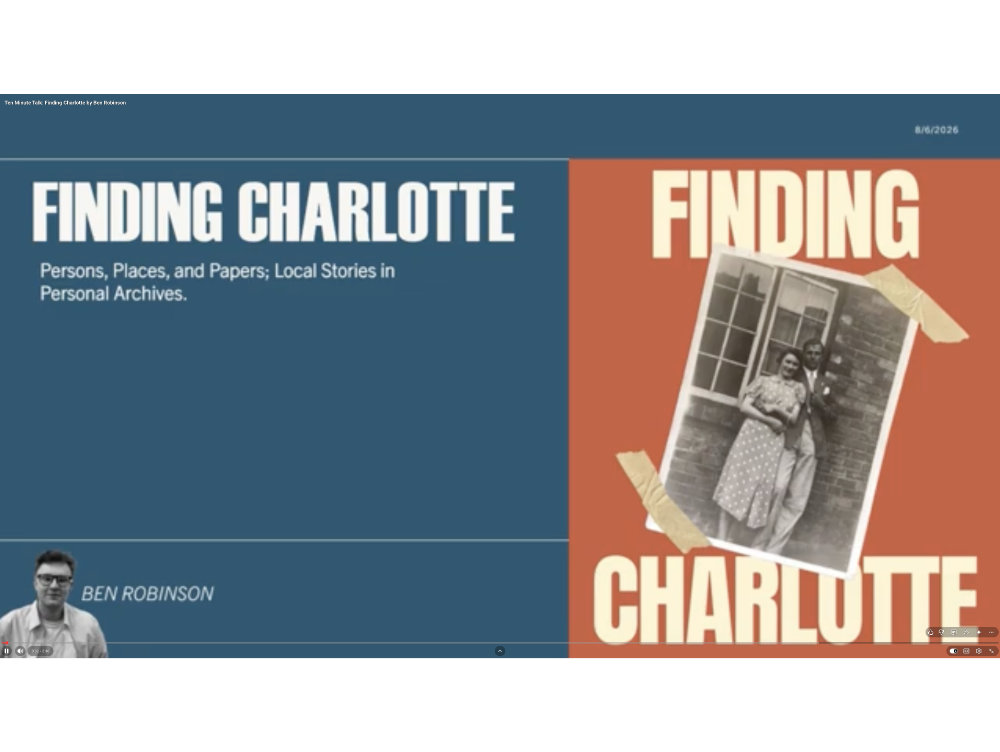
In the latest instalment of the BALH’s series of Digital Skills webinars, Digital Content Coordinator and professional filmmaker Catherine Warr took audiences through some of the simple methods that those new to video making can use to produce short factual videos, with particular emphasis on the BALH’s programme of Ten Minute Talks.
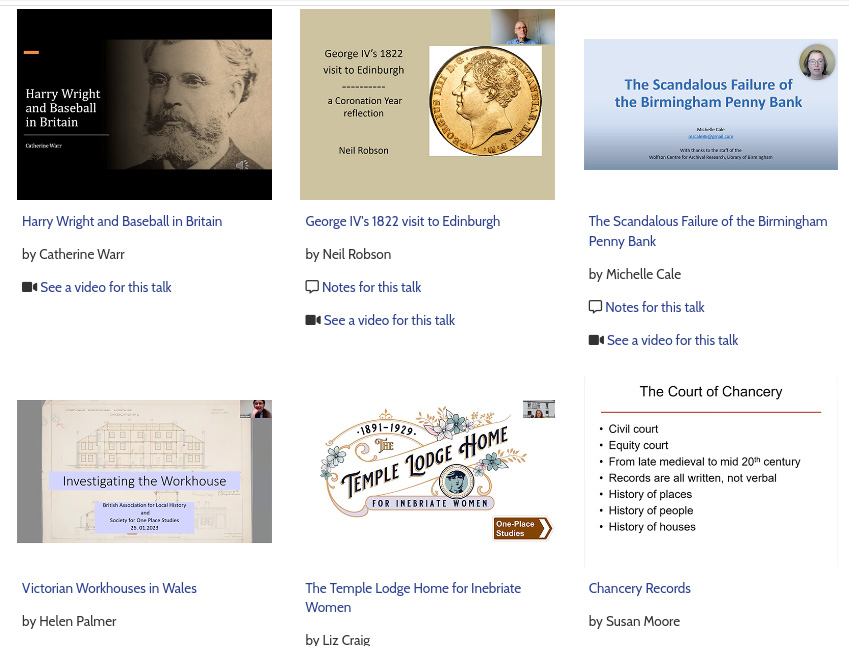
This programme offers historians and researchers, from all backgrounds and experience levels, the opportunity to submit a short, ten-minute long presentation on a topic of their choice. Hosted on the BALH’s YouTube channel and website, and shared on social media, these talks often reach a wide audience and benefit from the BALH’s large platform and online presence. Our only entry requirement is that the presentation itself is of good quality, both in research and execution, and thus it is a perfect opportunity for emerging and amateur researchers and historians to share their work with a wider audience.
Topics can range from local places and events to more broader and instructional themes, such as how to use particular records or resources. Many talks are taken from a larger work, such as a book, academic study, or personal research project, and thus are a perfect opportunity to present a bite-sized and accessible version of a much larger project.
Though the method of creation is the personal choice of the creator, we particularly recommend, for those new to video making, recording a PowerPoint presentation. A step-by-step guide on how to do this can be found here: https://support.microsoft.com/en-us/office/record-a-slide-show-with-narration-and-slide-timings-0b9502c6-5f6c-40ae-b1e7-e47d8741161c
You can also use Zoom to screen-share and record your presentation. If you are more confident and experienced in making videos, you are very welcome to use your personal phones, cameras, and video editing software as you wish.
We only ask that efforts are made to ensure that the quality of the recording is good and accessible, as having a low-quality recording may be difficult to watch. Try to make the narration as clear and listenable as possible by removing any unnecessary background noises and speaking clearly at a good volume. Ensure that any images used are of good quality and as high a resolution as possible. If you are using any images from websites, publications, or archives, it is considered best practice to cite them where appropriate. You can use the end of the presentation as an opportunity to list your sources and direct viewers to any websites or social media accounts where they can find out more about your research.
To improve the accessibility of your talk, submit your written notes or script, along with your video, and they will be added to the website. This allows users who may have difficulty hearing to still engage with the content of your talk by reading what you are saying. YouTube also has an automatic captioning function, but this is not always correct and any words it doesn’t transcribe correctly can be manually changed.
You can find the full range of Ten Minute Talks at our website here: https://www.balh.org.uk/ten-minute-talks, and if you would like to submit your own, full details can be found on our website: https://www.balh.org.uk/news-promote-your-local-history-project-through-a-ten-minute-talk-2020-09-12
If you have any questions, and if you would like to submit your own talk, please email engagement@balh.org.uk or digitalteam@balh.org.uk. When submitting your talk, please send either the PowerPoint presentation (with the recorded narration) or the exported video as a file. We also recommend the use of the free file transfer website WeTransfer for sending large files. If we are happy with the presentation, it will then be uploaded to the BALH YouTube channel, website, and shared on social media. Please include any social media accounts you have that you would like to be tagged in social media posts.
We look forward to seeing what interesting presentations you come up with!
The views and opinions expressed in this blog are those of the author and do not necessarily reflect the official policy or position of the British Association for Local History (BALH). Any content provided by our contributors is of their own opinion and is not intended to malign any individual, group, organisation, or entity.