How has Stroud’s radicalism changed over time?

Image: Ebley Cloth Mills, Stroud, Gloucestershire, by Alfred Newland Smith (1813–1877) Credit: Museum in the Park, Stroud
Target age range: Year 8 and sixth form
Stroud is a town known for its radicalism and activism; however, the nature of this radicalism has changed over time, reflecting the national narrative. This enquiry seeks to encourage students to reflect on Stroud’s apparent radicalism and how it has changed, including in relation to the national story. This resource uses archives as the focus for the enquiry.
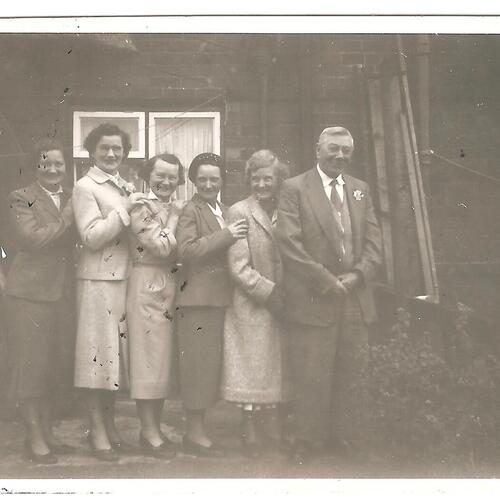
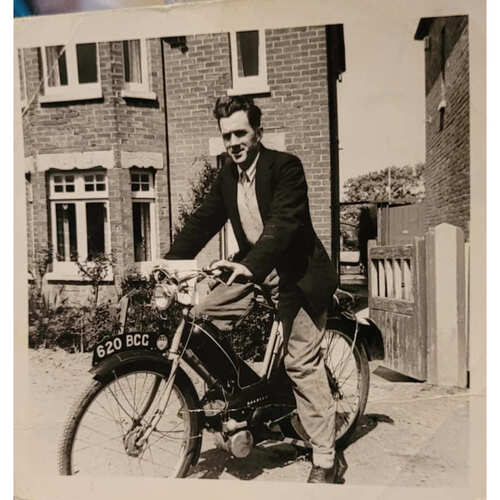
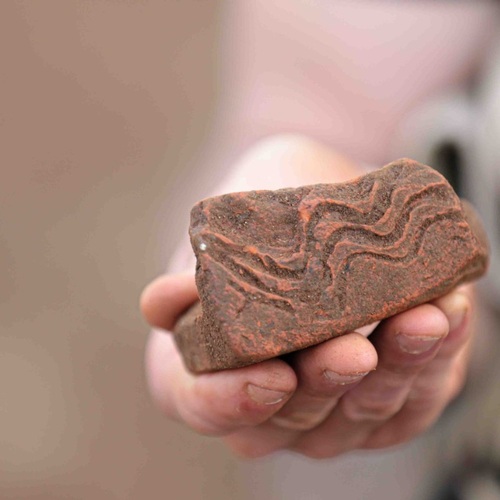
This resource has two strands. Strand one focuses on developing the history society as local history ambassadors and young archivists. In strand two, these skills are used to develop lessons using archive boxes on radicalism in Stroud for Year 8 students. In the case of Eliza’s school, using the archive boxes compiled by the sixth form history society, Year 8 students were able to curate their own museum panel, explaining how radicalism has changed in Stroud over time.
All resources are attached below. Each archive box contains a set of information sheets followed by primary sources.
This resource was written by Eliza Ruxton, a history teacher at Marling School in Stroud, Gloucestershire.
Every effort has been made to trace all image copyright holders for these resources, although occasionally it has not been possible. Please contact Maheema Chanrai at maheema.chanrai@history.org.uk with any queries regarding image use or copyright.
Attached files:
- Teacher notes and guidance - Radical Stroud
235.3 KB PDF document - Year 8 Lessons - Radical Stroud
834.2 KB Powerpoint presentation - Sixth Form Programme - Radical Stroud
7.31 MB Powerpoint presentation - Archive Box 1: 1600-1800
3.98 MB Zip file - Archive Box 2: 1800-1900
21.79 MB Zip file - Archive Box 3: 1900-2000
2.35 MB Zip file - Archive Box 4: Present day
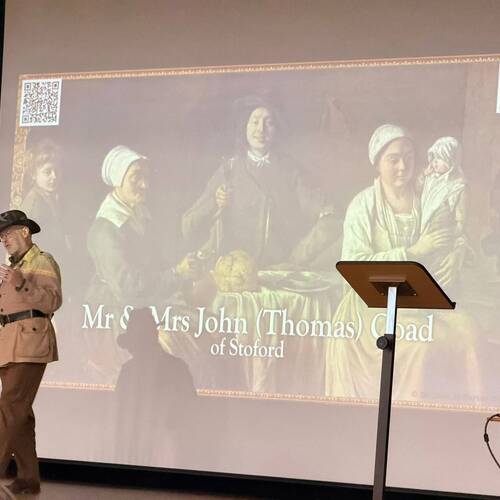
3.06 MB Zip file - Talk given by Stuart Butler, local historian
165.9 KB PDF document